Kosmos 2612 is drifting away from ICEYE-X36 after a nerve-wracking weekend
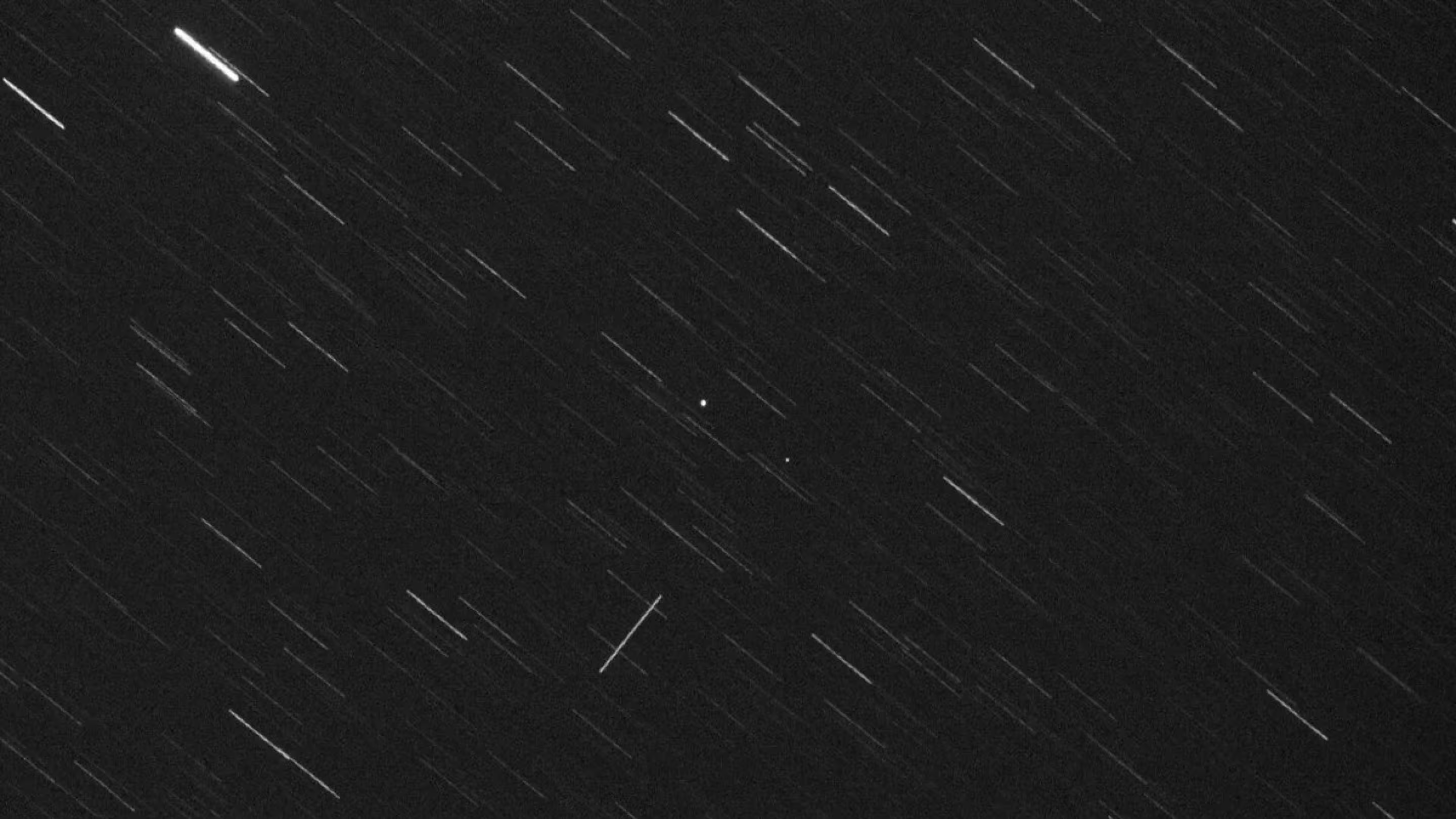
Last weekend an extremely interesting and worrying event took place in space when the Russian military satellite Kosmos 2612 and the Finnish company ICEYE’s US-registered satellite ICEYE-X36 came extremely close to each other.
ICEYE-X36 is an interesting satellite because it is officially listed in the US satellite registry, yet it appears to have been almost entirely at Ukraine’s disposal. In any case, the satellite has supplied a large amount of intelligence material to the Ukrainian armed forces.
The Russian satellite had already visited the ICEYE satellite in May, but starting in September it began changing its orbit to match ICEYE-X36 very closely and approach it deliberately. Normally satellite operators want to keep their satellites a safe distance from others, but now Russia approached another satellite without warning and in a threatening manner.
For about a decade there have already been events in space in which especially Chinese, Russian and American satellites have approached other satellites. When close, they can inspect a satellite and listen to its radio traffic; in addition, a satellite could if desired collide with another or otherwise interfere with it so that the target satellite’s operations are disrupted or cease.
Never before have proximity operations been carried out as hostilely and threateningly as now: Kosmos 2612 deliberately stayed near ICEYE-X36 and at its closest was possibly less than a hundred metres away.
According to public data, the closest encounter appears to have taken place early on 18 October (estimates around 01:35 UTC / approximately 04:35 Finnish summer time), when the distance between the satellites was probably a few hundred metres or possibly closer. According to the Dutch satellite tracker Marco Langbroek, Kosmos 2612 then performed one or more small manoeuvres at that time or immediately afterwards.
As a result, Kosmos 2612 appears to be moving away from ICEYE-X36. The Russian satellite rose to a slightly higher orbit and began to recede. By the afternoon of 18 October the distance was already about 12 km and growing.
There are no signs of disturbance or collision in the orbit of ICEYE-X36.
Based on public orbital data it is very difficult to determine exactly how close the satellites really were to each other, but they were in any case uncomfortably close.
Russia’s intention was probably to intimidate, and in that it succeeded. It could have, had it wished, collided with the ICEYE satellite and damaged it. The incident is thus a direct continuation of Russia’s recent actions, which can be characterised above all as harassment. If the confrontation here on Earth escalates into open conflict, it will certainly expand immediately into space as well.
What has happened so far
- 4 March 2024: ICEYE-X36 (NORAD 59103) was launched into space from California on a SpaceX Falcon 9 rocket on the Transporter-10 mission.
- 16 April 2026: Kosmos 2612 (NORAD 68762) was launched into space from Plesetsk on a Soyuz-2.1b rocket as part of a cluster of six military satellites (Kosmos 2609–2614).
- May 2026: Several of the satellites from the April launch (including Kosmos 2612) used significant amounts of fuel to move into the same orbital plane as ICEYE-X36. One of them passed about 2.5 km from it on 26 May; ICEYE lowered its satellite by about 430 metres (according to unofficial sources).
- Late September – mid-October: Kosmos 2612 performed a series of manoeuvres (especially on 30 September and on 12, 15 and 16 October) to match its altitude (~540–556 km), inclination (~97.8°) and orbital plane with those of ICEYE-X36.
- 12 October: A large burn (~27.9 m/s) brought it almost to the same altitude. It was about 475 km “behind” X36 and approaching slowly.
- 16 October: A new manoeuvre brought it to within a few kilometres. Jonathan McDowell reported it station-keeping at a distance of about 5 km or less. This is probably the first encounter in low Earth orbit between two active satellites without the consent of the target’s owner.
- 17 October: LeoLabs assessed the movement as a deliberate approach; the distance was about 3–5 km (more than 320 km the previous day). McDowell and Marco Langbroek confirmed the distance was 1–2 km and decreasing.
- 18 October: The closest passes occurred in the early hours (estimates range from a few hundred metres to possibly much closer; the accuracy of public orbital element data is limited).
- 19 October: Kosmos 2612 is moving away from ICEYE-X36.
- Coming: Two other satellites from the six-satellite cluster, Kosmos 2611 and Kosmos 2613, are currently approaching the same ICEYE satellite naturally on their present orbits and will be near it on 6 and 17 November. Unless they make orbital changes, however, these satellites will not come threateningly close.
Image: s2a systems