
Finnish space strikes: ICEYE and Nokia build a Starlink rival

In the 1990s Nokia was not only the world’s largest mobile-phone maker; it was also one of the parties that proposed Finland’s membership of ESA. One of Nokia’s predecessors, Salora, made receivers for communications satellites, and Nokia itself has been involved in developing and manufacturing mobile networks suitable for satellite communications. It still is.
The 5G technology used in today’s mobile networks is already suited to exchanging data with satellites. 5G NTN, non-terrestrial networks, is 5G’s extension into the sky. And 6G will be designed from the outset for communications on the ground, in orbit, up to space and back down again.
ICEYE, for its part, is the leading star of Finland’s New Space sector. In about five years it has become the world’s leading radar-satellite operator. The company builds its satellites industrially and efficiently in several countries, and plans soon to launch as many as a hundred satellites a year.
Now there are more satellites on the way. Today Nokia and ICEYE announced “a partnership to develop secure, sovereign and high-performance broadband low Earth orbit (LEO) satellite communications systems for governments.”
These are intended for all kinds of official use, from rescue services and border security to defence and active military operations.
ICEYE says the jointly developed satellite communications systems are built on trusted European technology and give nations ownership and control of the satellites, the ground segment and the terminals.
The first communications satellites are expected to be launched in 2028.
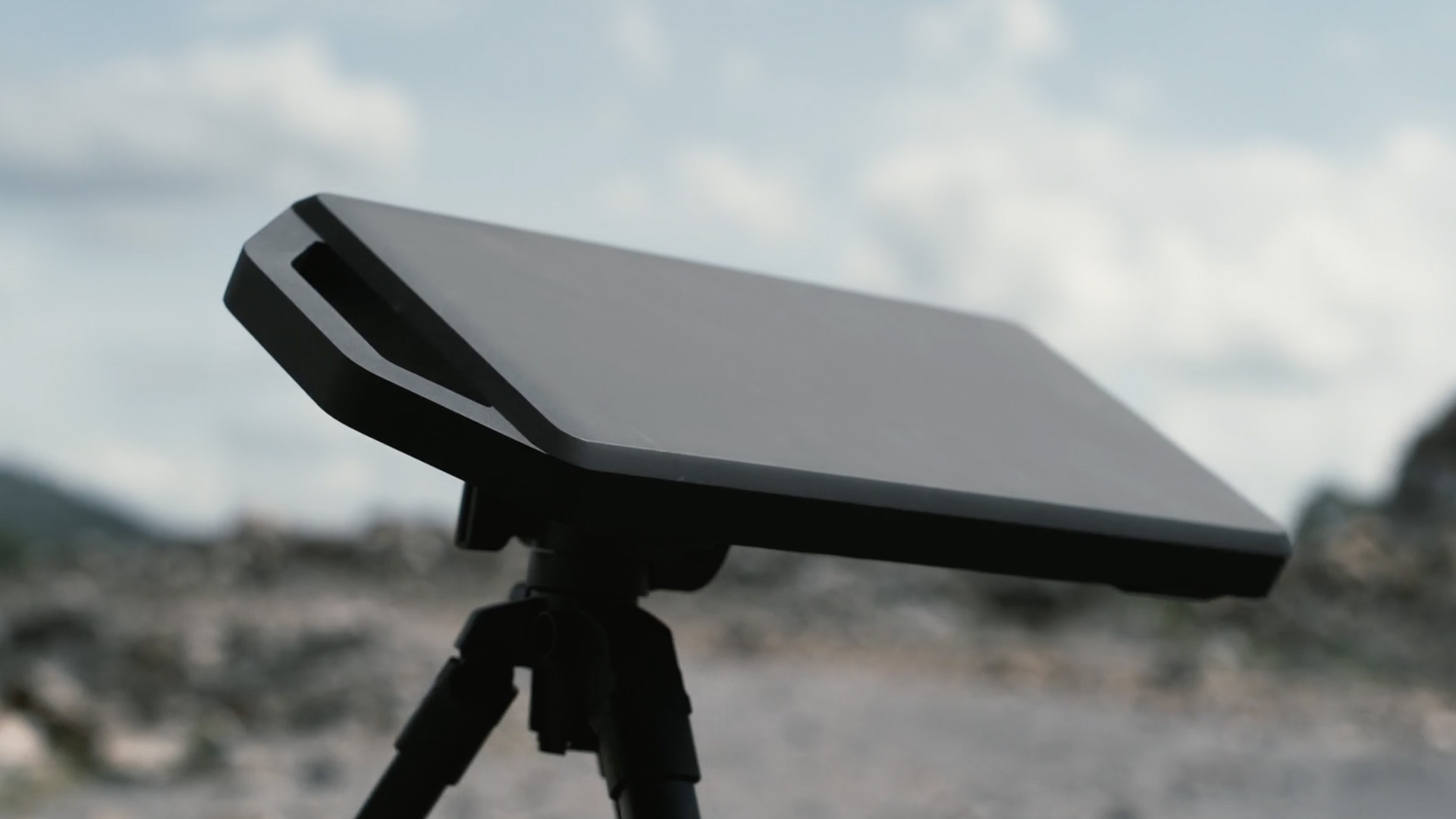
When terrestrial networks are disrupted or compromised, defence forces, first responders and civil authorities risk losing access to the information and command systems they depend on. Governments therefore need resilient communications infrastructure that remains available under the most demanding conditions, and that they can fully own and control.
The jointly developed sovereign systems will deliver targeted, high-throughput, low-latency connectivity over priority mission areas. Designed to complement military and commercial networks rather than replace them, they will add reach, resilience and capacity, helping governments and defence organisations maintain critical connections wherever operations take place.
ICEYE CEO and co-founder Rafal Modrzewski and Nokia President and CEO Justin Hotard will say more about the partnership at the Helsinki Security Forum on 2 October. Their session, “How to Salvage Europe’s Technological Sovereignty,” can also be watched live online here.
The EU and ESA are jointly developing the IRIS² communications satellite system, but the work is slow and complicated by political, industrial and national conflicts of interest. ICEYE and Nokia may well slip past them by simply getting on with the job instead of rowing and backing water.
For Finland, this is likely a more important and far-sighted piece of news than data centres (except that data centres are already being planned in Finland too - to be placed in space).