Very strange test flight – Starfall
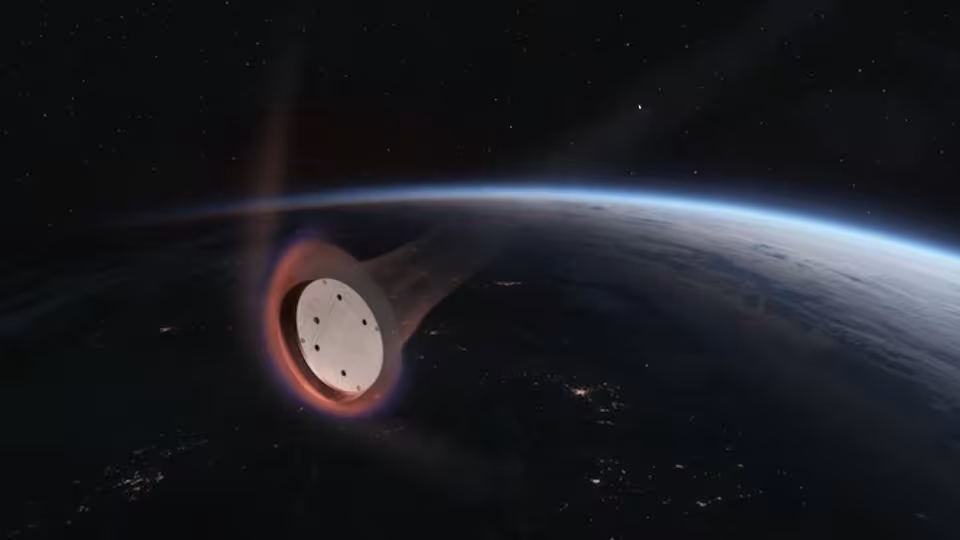
SpaceX launched a Falcon 9 rocket from Florida on 23 June on a rather unusual flight. The unexpectedly publicized Starfall vehicle was sent on a test flight during which the craft did not enter Earth orbit but instead fell into the Pacific Ocean about 1,300 km off the U.S. West Coast.
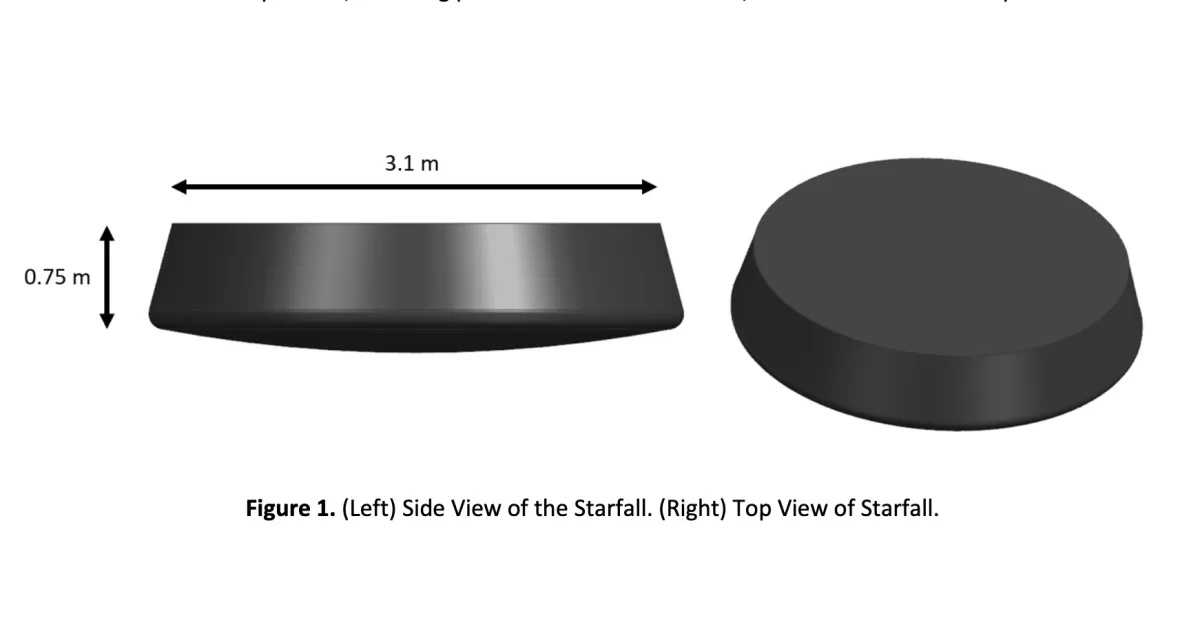
Starfall is SpaceX’s new uncrewed return capsule designed to bring cargo back to Earth from orbit or near-Earth space. It is disk-shaped (approximately 3.1 m in diameter and 0.75 m in height), has an empty mass of about 2,100 kg, and is capable of returning up to 1,000 kg of payload from space to Earth.
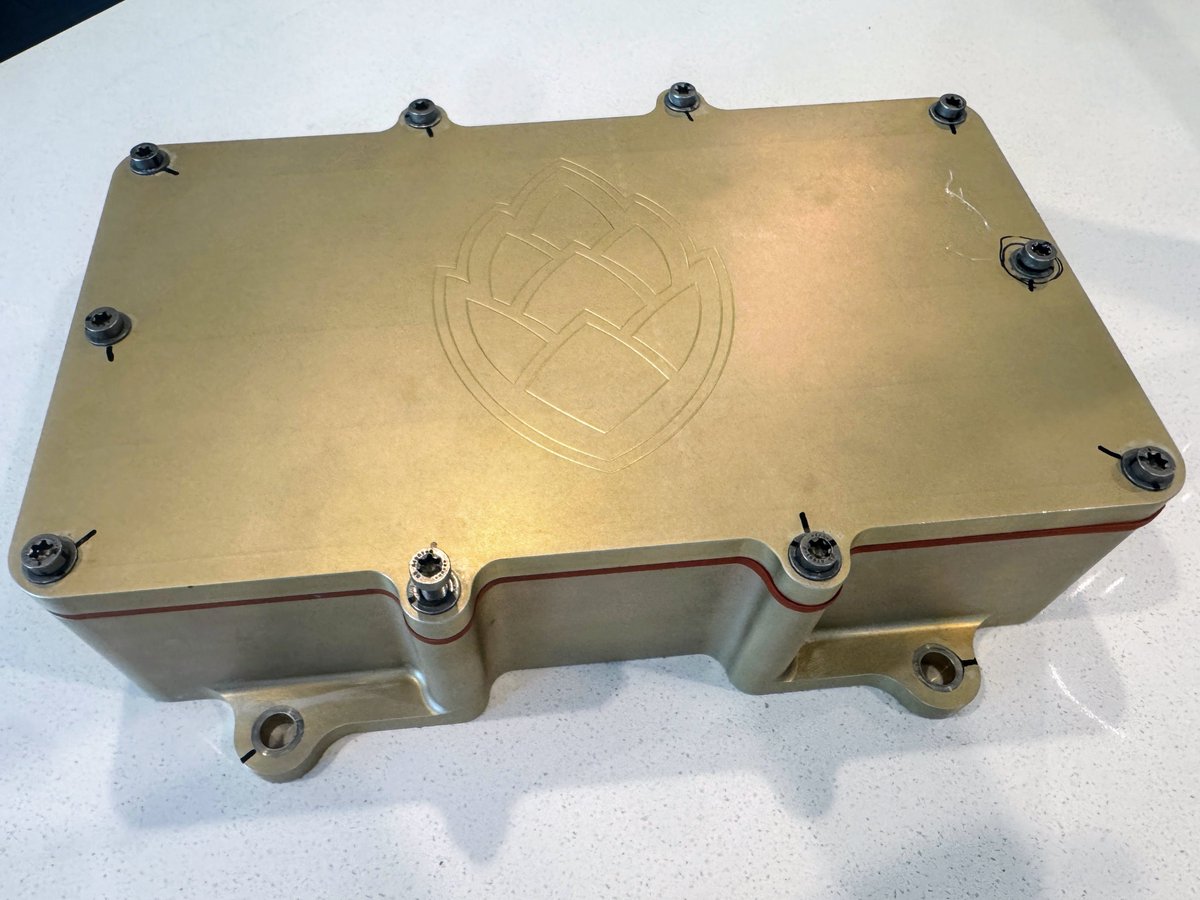
Very little has been revealed about this test flight beyond the fact that it took place and proceeded as planned. Afterwards, the small Starbase Brewing brewery announced that the cargo on the Starfall flight included its test device called MicroBrew-2 (Brewery Archive Space Exposure Demonstrator). The device was not active; it mainly carried samples: various strains of beer and wine yeasts as well as seeds from Texas plants.
It was partly an advertisement, partly a semi-serious experiment, and partly a SpaceX-style joke. For example, the first test flight of the Dragon spacecraft carried a large wheel of cheese as cargo.
The future missions of the Starfall return capsule are far more important than flying yeast.
While the main focus so far has been on transporting cargo from Earth to space, interest is gradually growing in bringing cargo back down as well. Currently, only space stations return not just astronauts but also samples from space-based research to Earth. In the future, however, when there are factories in orbit, among other things, goods will need to be brought down conveniently and affordably. This will be possible with Starfall capsules.
In addition, the capsules can fly independently and can contain research and production equipment. They can remain in space for the required period and then return. For example, pharmaceutical molecules, optical fiber, and semiconductors could be produced with equipment that fits inside the capsules.
The capsules can also deliver about a tonne of cargo quickly via space to anywhere on Earth. The military, for instance, is highly interested in this capability, as it could allow them to receive supplies on the other side of the planet in only about an hour. Starfall has been kept highly secret, presumably precisely because of this potential (and likely) military use.
The Starfall capsule consists of two parts: a detachable carbon-fiber heat shield and an aluminum upper section on top of it, which houses the cargo bay and contains, among other things, attitude control equipment.