
Paris space summit brought a flood of orders and lifted European spirits
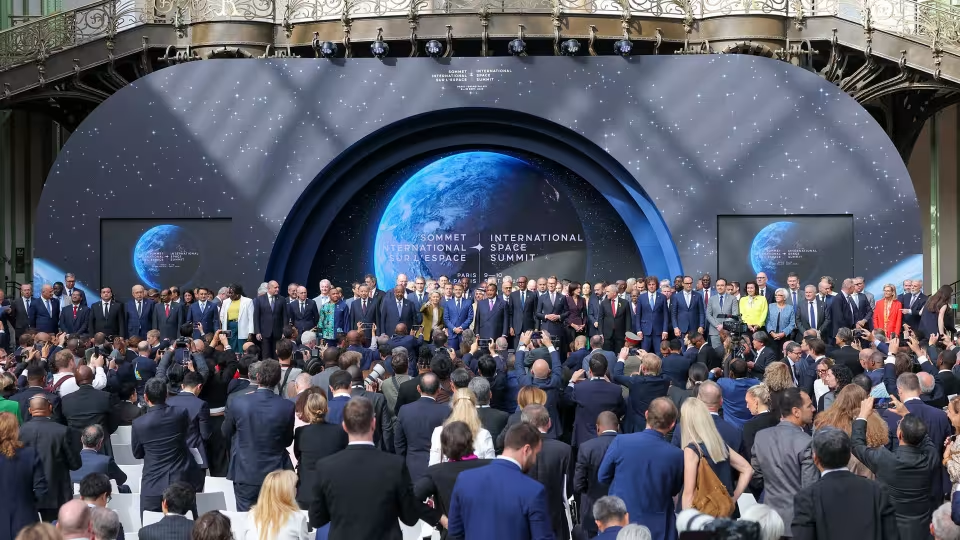
The International Space Summit was held in Paris on 9–10 September 2026 at the initiative of French President Emmanuel Macron. Around 2,000 participants and nearly 120 foreign delegations were present – including Finland’s delegation led by President Alexander Stubb.
The political substance of the meeting was concentrated on Thursday 10 September, when speakers after President Macron included European Commission President Ursula von der Leyen and European Space Agency Director General Josef Aschbacher. President Stubb delivered Finland’s national address.
No formal international treaties were signed, but all speeches stressed the importance of international cooperation and coordination.
Declarations were nonetheless signed during the summit. The Copernicus declaration makes the EU’s remote-sensing and Earth-observation programme available for use worldwide, the declaration on space-based scientific data promotes the openness and accessibility of scientific observations, and the ITU frequency declaration seeks to strengthen the role of the International Telecommunication Union (ITU) in managing radio frequencies and orbits. Large satellite constellations already under construction or in planning raise concerns and call for better international coordination.
Although the summit was emphatically international, the emphasis was on Europe and on the need for Europe to invest more in space activities in order to become self-sufficient. In that connection, 22 EU countries adopted a declaration calling for strategic autonomy, competitive European space markets and stronger space-sector governance.
President Macron noted that space is the only essential domain that still lacks adequate global rules. He also proposed that the EU map the space needs and capabilities of the Commission, ESA and the member states and turn them into a common European market.
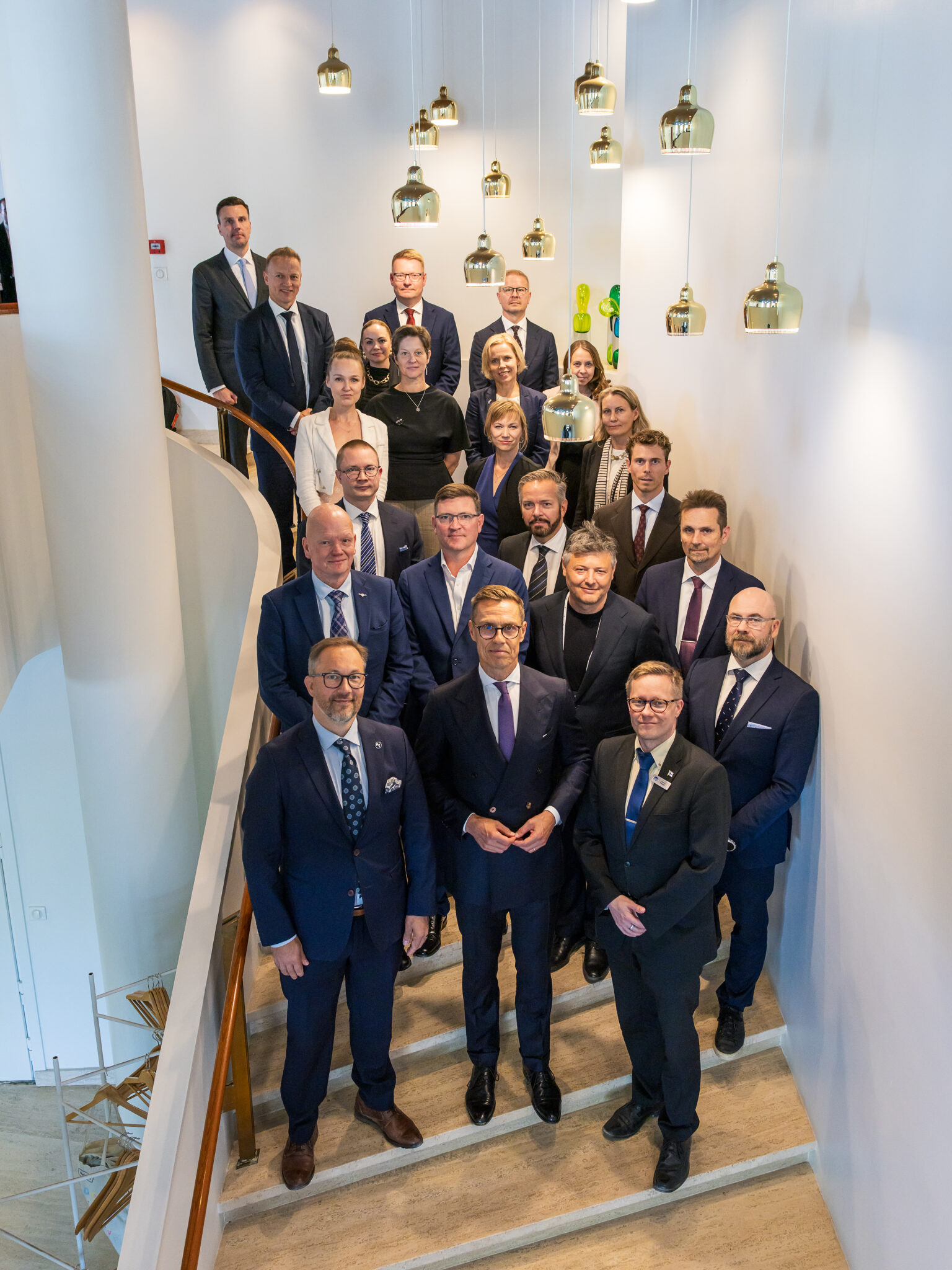
Finnish companies took part in the Paris space summit in areas including satellite technology, artificial intelligence, space weather and research. Part of Finland’s delegation poses on the embassy staircase. From the SpacEconomy project, Aalto University professor Jaan Praks and Ville Meskus of ReOrbit, who sits on the project steering group, are among those pictured. Photo: Matti Porre / Office of the President of the Republic of Finland
Large orders and plans
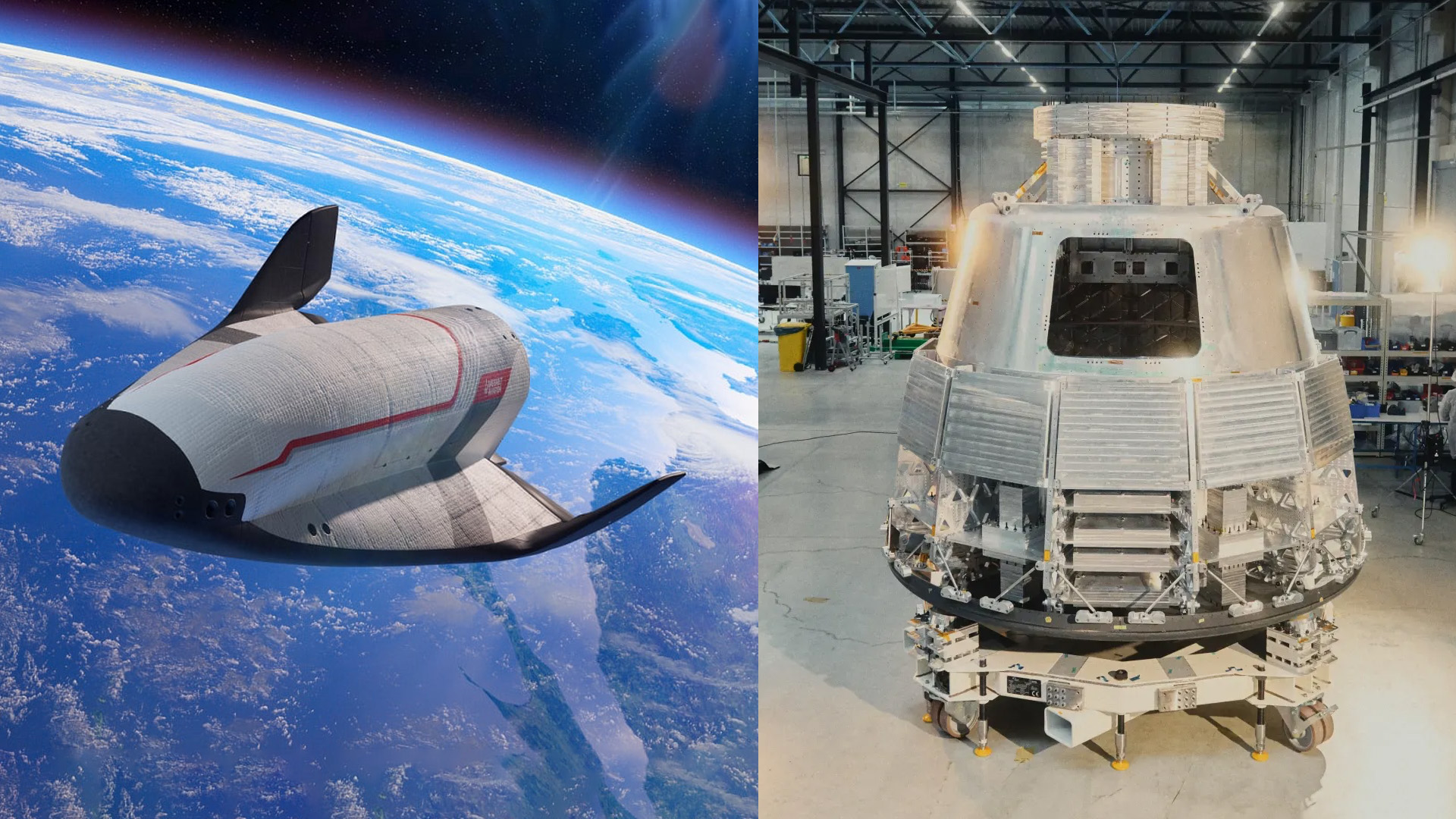
France announced at the summit that it will invest €20 billion in space by 2030, plus an additional €40 million for CNES remote-sensing activities. Dassault, for example, may begin development of its own VORTEX mini-shuttle, and The Exploration Company’s goal became an uncrewed resupply flight to the International Space Station with its Nyx cargo vehicle within two years.
During the summit The Exploration Company also announced that it had raised a $450 million Series C round.
The company featured in the discussions more broadly, as ESA Director General Aschbacher proposed about €10 billion in additional funding to develop a European vehicle capable of carrying astronauts. The simplest and fastest way to do this is likely to use the Nyx vehicle as a basis and adapt the Ariane 6 rocket and its launch pad in Kourou for astronauts. The funding proposal is €1 billion a year for ten years starting in 2029.
Commission President von der Leyen also recalled that the draft of the next Multiannual Financial Framework earmarks €131 billion for defence, security and space.
More than 50 contracts and commitments were likewise announced during the summit, with a combined value of around €20 billion.
Most of this (about €15.7 billion) relates to the EU’s IRIS² constellation through the SpaceRISE consortium led by Eutelsat. The largest share of the order went to Belgian satellite manufacturer Aerospacelab, founded in 2018, which will build 264 IRIS² satellites at its forthcoming megafactory. Airbus will manufacture 66 satellites and Thales Alenia Space will provide the payload for all 330 satellites.
Airbus also received another major order, as Eutelsat is procuring 229 additional satellites for its OneWeb communications constellation. The order now totals 669 satellites.
Building a competing constellation, Amazon Leo ordered six additional Ariane 6 launches from Arianespace. The European rocket will therefore loft American satellites on at least 24 flights.
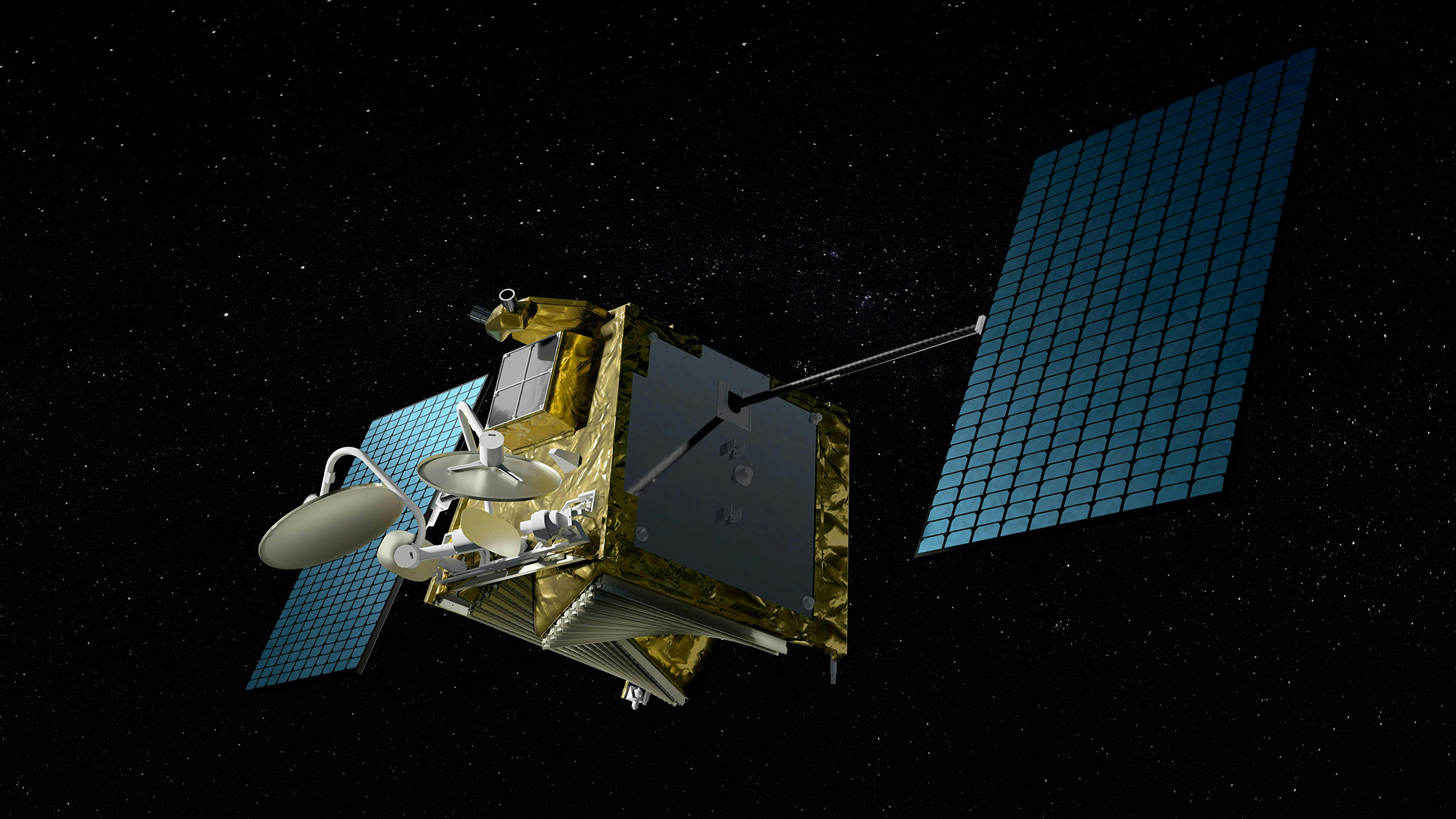
OneWeb satellite (Airbus)