Stakeholders’ Influence in Shaping Sustainability Practices for Nordic Space SMEs
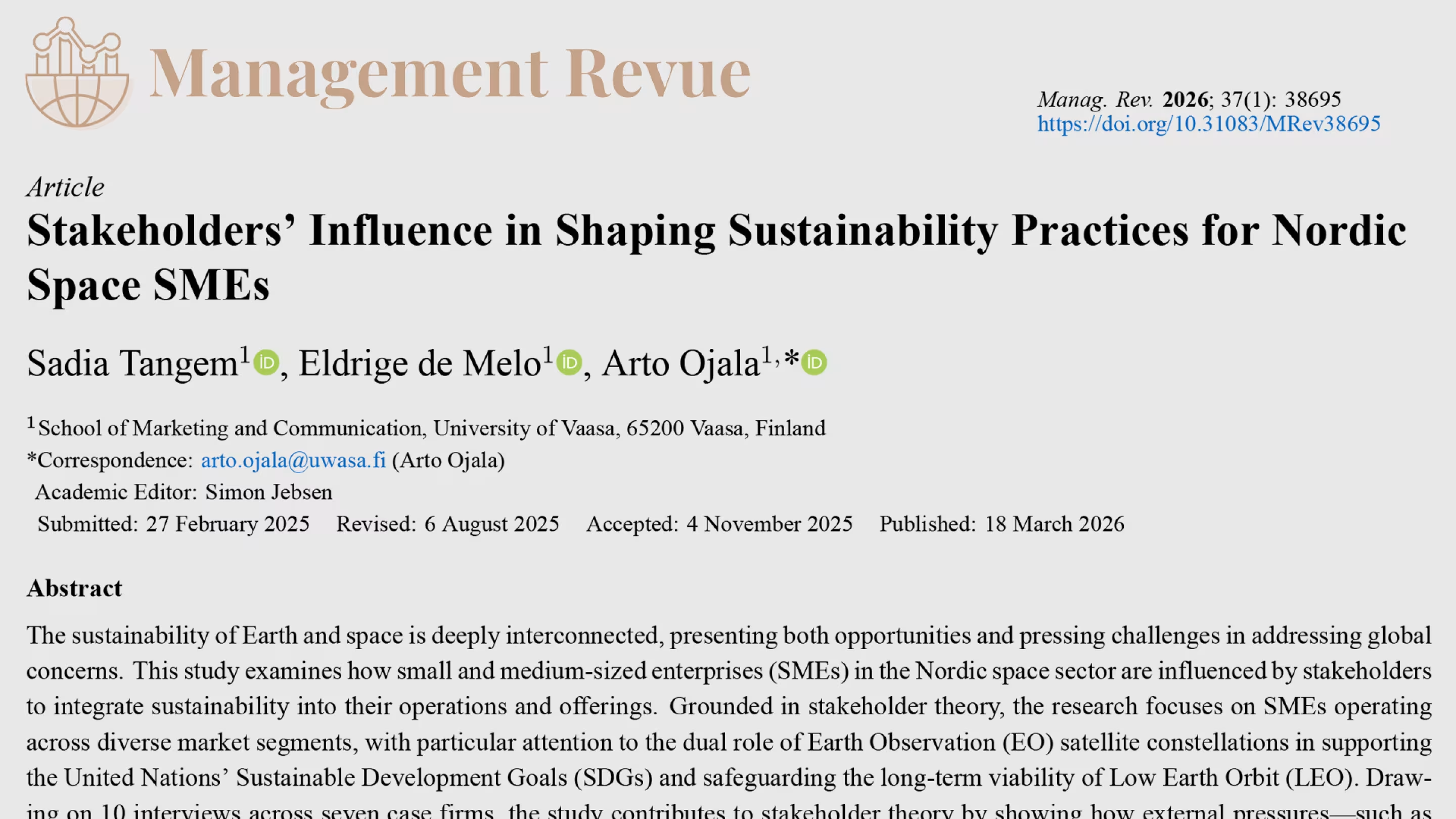
An interesting article about the Space Economy was published on 18 March 2026, and as one of the writers is Arto Ojala from SpacEconomy partner University of Vaasa, it's especially worth of noticing here.
The sustainability of Earth and space is deeply interconnected, presenting both opportunities and pressing challenges in addressing global concerns.
The study examines how small and medium-sized enterprises in the Nordic space sector are influenced by stakeholders to integrate sustainability into their operations and offerings. Grounded in stakeholder theory, the research focuses on SMEs operating across diverse market segments, with particular attention to the dual role of Earth Observation satellite constellations in supporting the United Nations’ Sustainable Development Goals and safeguarding the long-term viability of Low Earth Orbit.
Drawing on 10 interviews across seven case firms, the study contributes to stakeholder theory by showing how external pressures—such as regulatory constraints, societal expectations, and international collaboration—shape strategic decision-making and technological innovation in the emerging space economy.
The findings also offer actionable insights for practitioners in the New Space ecosystem. By applying the end-user-oriented framework proposed here, firms can more effectively conceptualize and implement next-generation space initiatives that align with the SDGs while responding to the complexities of global market dynamics.
The article can be seen and downloaded freely here: Stakeholders’ Influence in Shaping Sustainability Practices for Nordic Space SMEs.