
Europe’s New Rockets Prepare for Liftoff

Space rockets are not launched from Finland, nor are Finnish companies planning to build them. However, Finnish space-sector actors do need rockets – and in the future likely even more than today.
Access to space is strategically important, and for that reason it is very positive that the Ariane and Vega rockets are being joined by several new European rockets. Best of all, they will also be launched from the European continent. Even from nearby Norway.
On the Lofoten Islands, on the island of Andøya, preparations are currently underway for the second test flight of the German company Isar Aerospace’s Spectrum rocket. The first flight about a year ago ended quickly when the rocket fell into the sea shortly after launch and exploded; however, the company gained a lot of experience from the launch preparations and the rocket itself, so it now dares to try again.
There were also VIP guests at the launch site on Friday March 13, when German Chancellor Friedrich Merz, Defense Minister Boris Pistorius, and Minister for Research, Technology and Space Dorothee Bär visited together with Norway’s Prime Minister Jonas Gahr Støre, Minister of Trade and Industry Cecilie Myrseth, and Defense Minister Tore O. Sandvik.
As can be seen from the list of ministers, this is indeed also a strategically important matter. The Andøya Space Center is becoming the first orbital launch site in Western Europe.
Spectrum’s test flight will take place no earlier than March 19.
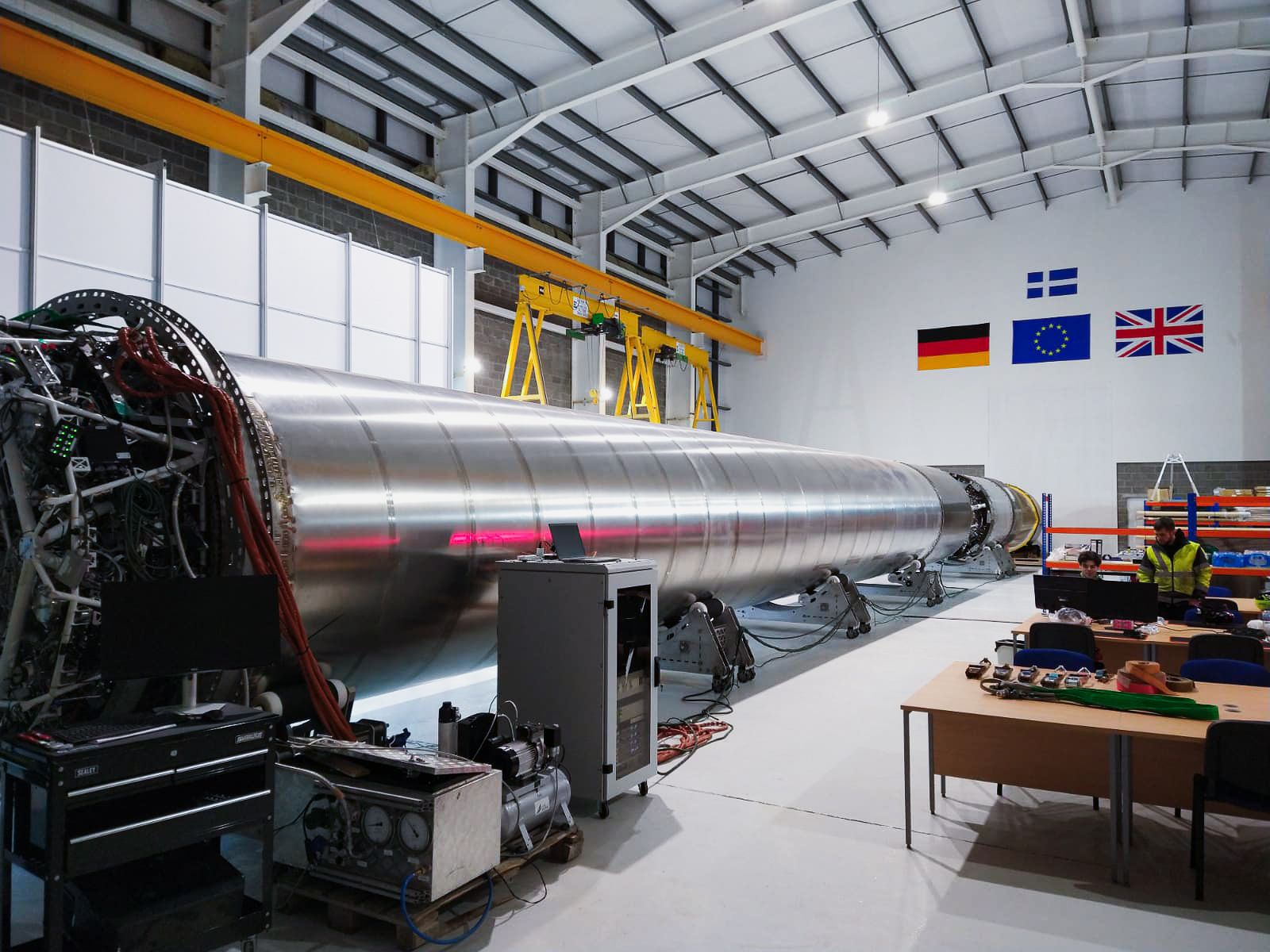
RFA is also preparing for flight
Another German company, Rocket Factory Augsburg, is also preparing for the test flight of its RFA One rocket.
The company is using the SaxaVord launch site in the Shetland Islands in northern Scotland, where it already prepared for a launch two years ago. However, when the rocket’s first stage was tested in August 2024, it exploded. The rocket, its engine, the pressurization of the fuel tanks, and procedures have now been improved, and the goal is to attempt a new launch next summer.
RFA delivered the first and second stages of the rocket for this flight to Scotland in February. The first-stage engines have been tested separately in Sweden at the Esrange Space Center near Kiruna, from where they are currently being delivered to SaxaVord.
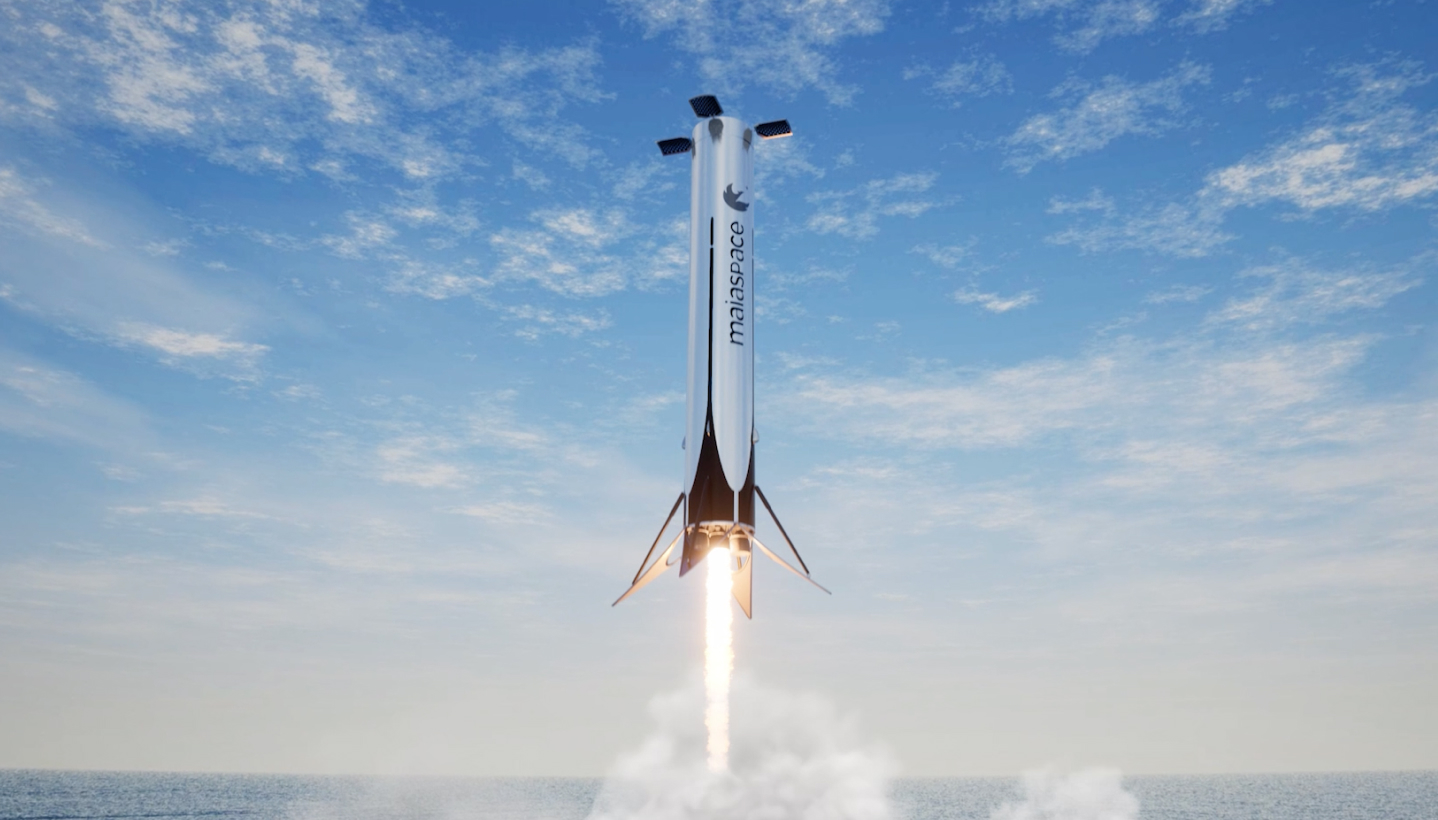
Maia postpones its flight
MaiaSpace, a start-up style subsidiary of ArianeGroup (the company behind the Ariane rockets), is developing the first European rocket that is partially reusable in a similar way to Falcon 9. The rocket’s first stage returns after the flight and can be flown again.
The company is converting the Soyuz launch pad at the Kourou Space Center for its use. After Russia invaded Ukraine, Soyuz launches from Kourou were halted, leaving a perfectly good launch pad unused. The French national space agency CNES, which operates the launch center, announced a competition in April 2024 to lease the Soyuz launch pad, and MaiaSpace was granted the right to use it in September of the same year.
MaiaSpace estimates that about 80 percent of the launch pad infrastructure will be suitable almost as-is for the company’s rocket.
Maia originally planned to conduct the rocket’s first flight later this year, but at an event held in Kourou on February 24 the company announced that the flight will be postponed to next year.
The maiden flight is intended to be “only” a hop slightly above 100 kilometers in altitude, officially into space. The main purpose of the flight is to test the return of the first stage, but at the same time the company will also be able to go through the entire launch preparation process and launch.
Maia is the largest of the new rockets currently under development. It can carry 1.5 tons to low Earth orbit when the first stage is not reused. When reused, the capacity is around 500 kilograms.
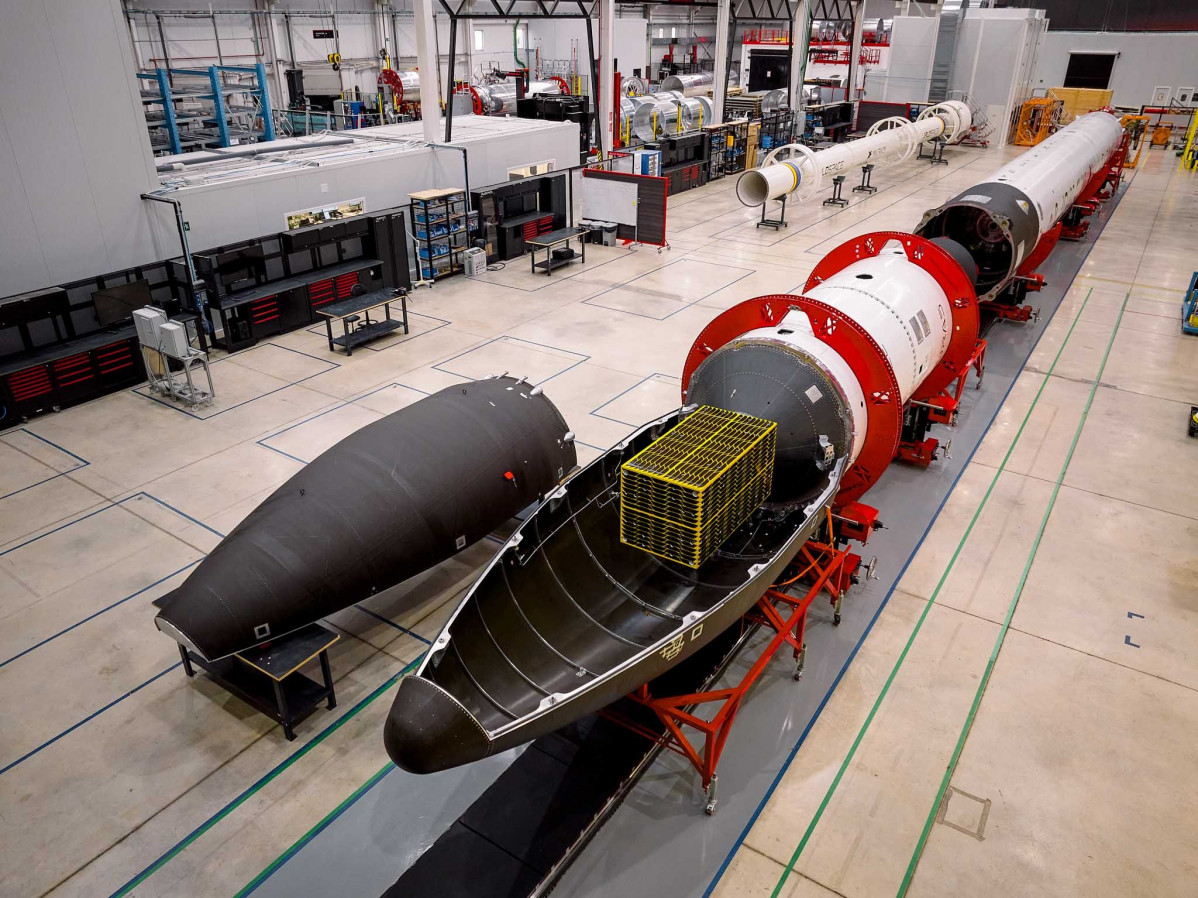
Spaniards raised more funding
The Japanese satellite manufacturer Mitsubishi Electric Corporation has invested 180 million euros in the Spanish company PLD Space.
PLD Space plans to conduct the maiden flight of its Miura 5 rocket later this year and begin commercial flights in 2027. Their launch site will also be the Kourou Space Center in French Guiana; the company is converting the center’s oldest launch pad, originally used for Diamant rockets, to be suitable for Miura 5.
Mitsubishi Electric is planning a large satellite constellation and wanted to secure privileged access to Miura 5 launches.
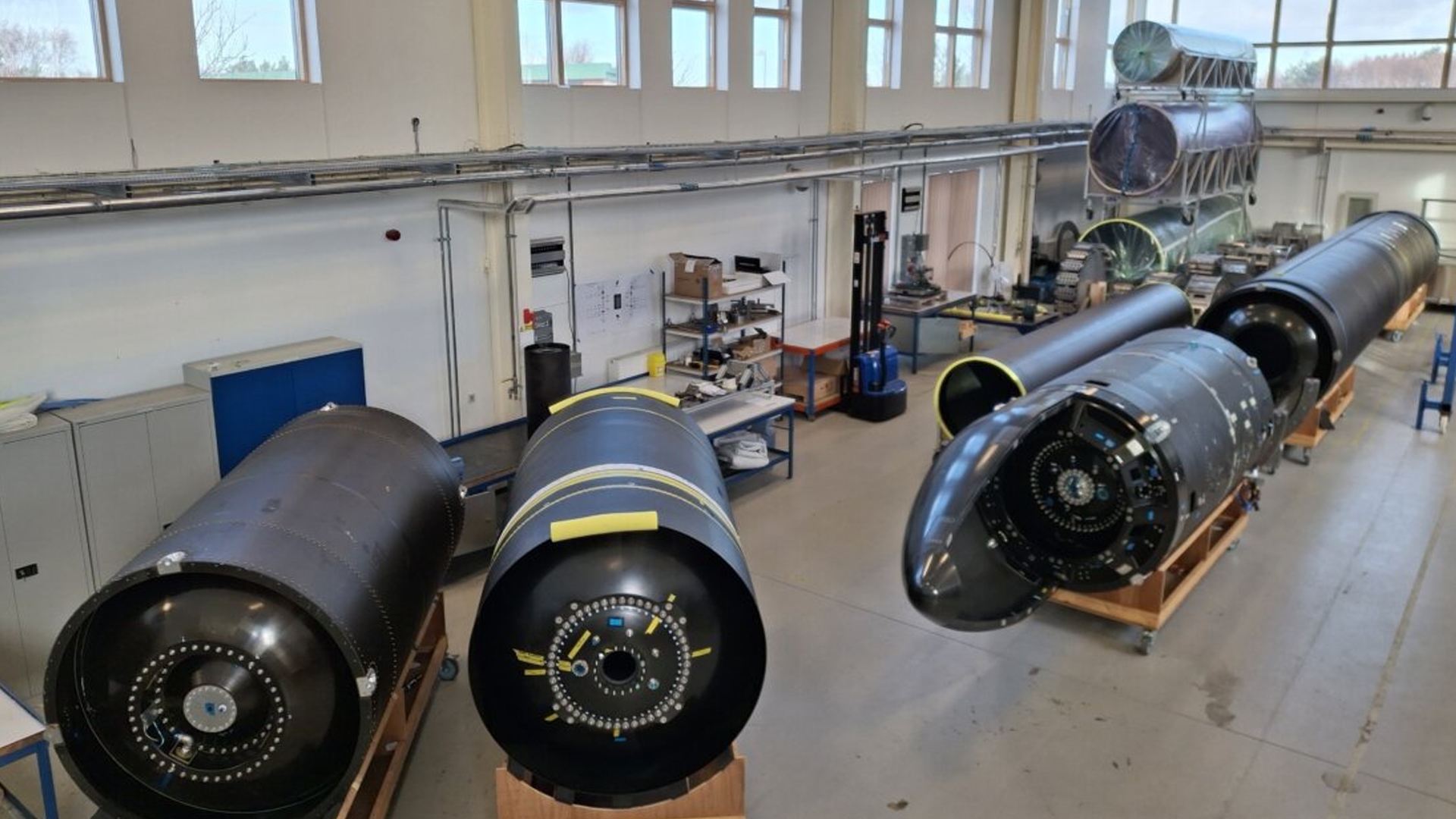
Orbex shut down
The first of Europe’s new rocket companies has been forced to cease operations. The British company Orbex had been facing financial difficulties for some time, but the situation appeared to improve in January when the French company Exploration Company announced interest in acquiring Orbex.
In the end the deal did not materialize – possibly because it was blocked by the United Kingdom government. As a result, Orbex went bankrupt on February 11, after what the company described as all attempts to “secure funding, merge, or be acquired failed.”
Skyrora, another UK-based rocket developer, soon announced interest in many of Orbex’s activities. In particular, Skyrora is interested in the launch site in Sutherland in northern mainland Scotland.
Meanwhile elsewhere in the world
New small launch vehicles are not only a European trend. Around the world there are dozens of companies aiming to build rockets capable of carrying 500–1000 kilograms of payload.
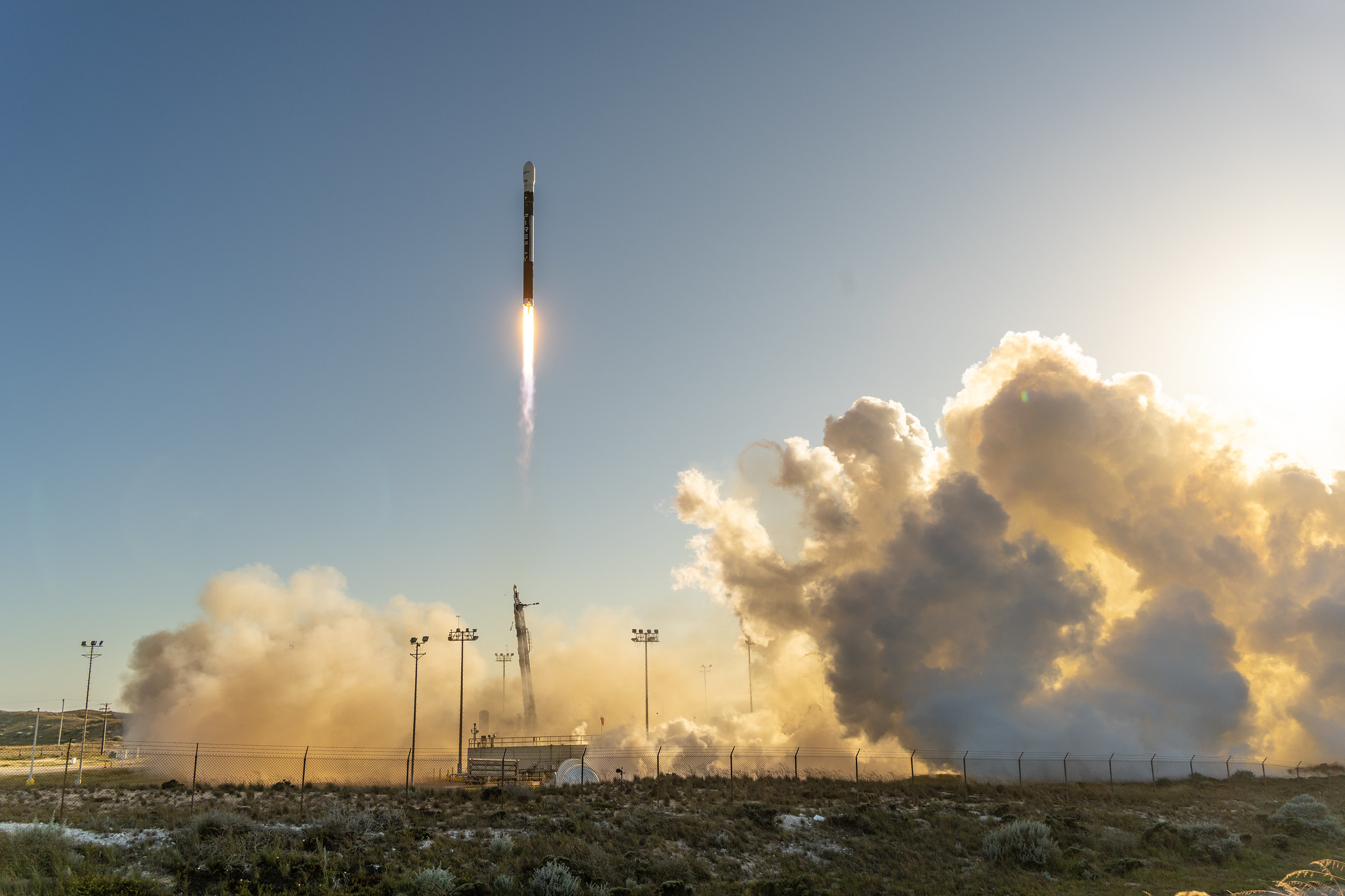
One of these, the American company Firefly, conducted a successful flight of its new Alpha rocket on March 11. The rocket’s first launch took place in September 2021, but it ended badly. Since then the rocket has been modified and adjusted, flown again, succeeded and failed, until now the seventh flight has taken place.
This will be followed by a new generation of Alpha capable of launching about one ton to low Earth orbit.
In Japan, the company Space One launched its Kairos rocket on its third test flight on March 5. Like the two previous flights, this one also ended in failure.
Space is hard, as they say. That is certainly true.