Finland’s Space Operations Centre will be established alongside the Air Force Headquarters
Finland’s Space Operations Centre — the national central command element for space defence — will begin operations on 1 January 2027. It will be established alongside the Air Force Headquarters in Tikkakoski, Jyväskylä.
Minister of Defence Antti Häkkänen has decided to create the Space Operations Centre. The centre will take responsibility for space defence functions, including the military space situational picture, coordination of the military space environment with the alliance and partners, and command, planning and operational control of the Defence Forces’ own space capabilities.
Operations are scheduled to start on 1 January 2027. In the initial phase, the centre’s staff will consist of military and civilian experts transferring from existing roles within the Defence Forces. The preliminary strength is around 20 people, with further growth expected as Finland’s space capabilities develop.
“The importance of space has grown rapidly in recent years, both for civilian society and for warfare,” says Colonel Jari Kumpuniemi from the Air Force Headquarters.
“Russia’s war of aggression in Ukraine has clearly shown that space technology supports forces operating on land, at sea and in the air, and forms an essential part of modern multi-domain operations (MDO). Intelligence and surveillance, positioning, and secure communications and data transfer all rely heavily on space-based capabilities. Establishing the Space Operations Centre concentrates the Defence Forces’ space expertise into a single national command element that will take overall responsibility for commanding, planning and operating Finland’s developing space capabilities.”
The Space Operations Centre will produce the military space situational picture
The centre will generate the military space situational picture in close cooperation with the civilian space situational awareness centre at the Finnish Meteorological Institute and with partner countries. Its core task is to build and maintain an up-to-date understanding of the space environment, the changes occurring within it, and their impact on military operations and the defence system’s overall capability.
Key outputs include warnings, environmental data, threat assessments, availability and impact assessments, and analyses. These support military decision-making, command, planning and execution. The military space situational picture is created by combining and analysing data from national, alliance, partner, commercial and open sources.
Radar satellites form the foundation of the Defence Forces’ own space capabilities
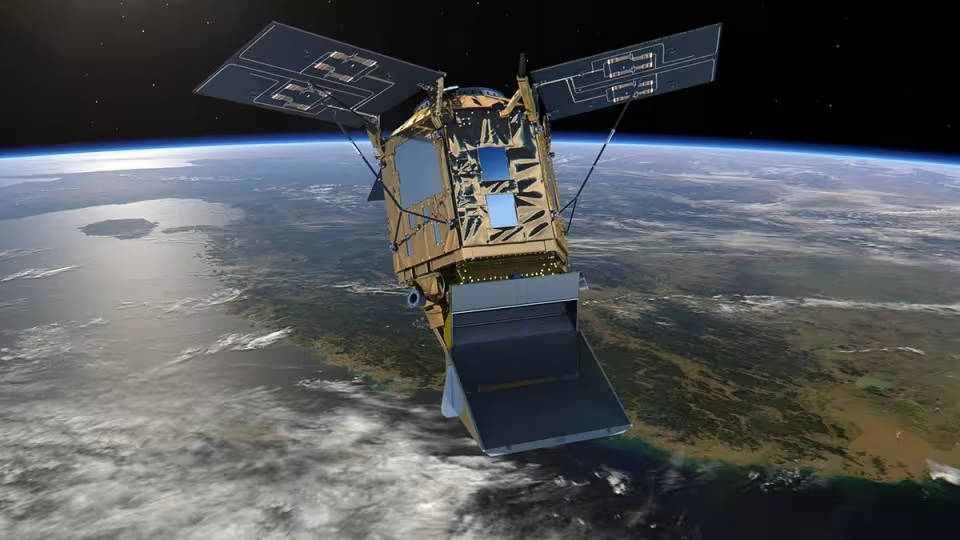
Beyond space situational awareness, the Space Operations Centre will also be responsible for building, commanding, planning and operating the Defence Forces’ own space systems. In the near term, Finland’s independent space capability will be based on a satellite remote-sensing system supplied by the Finnish company ICEYE. The system includes three synthetic-aperture radar (SAR) satellites.
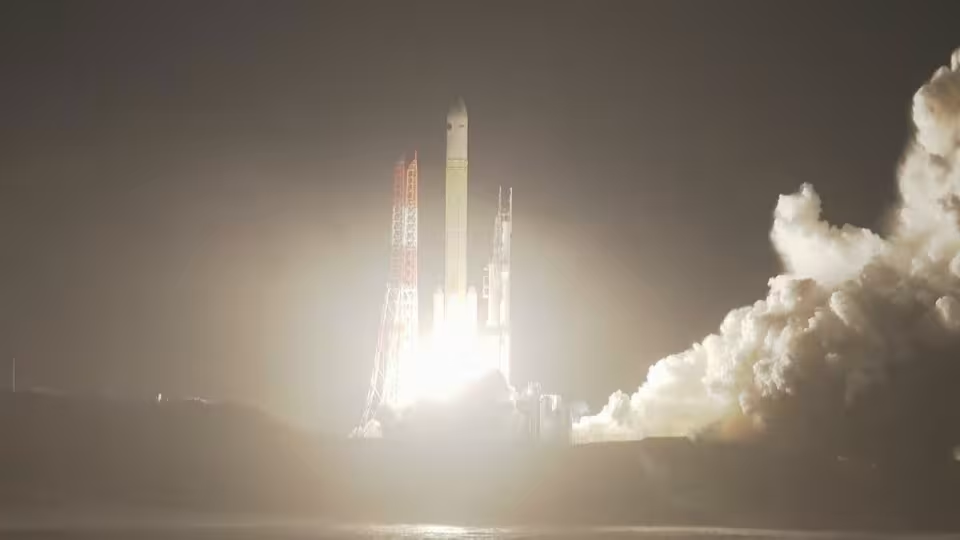
The SAR satellites ordered in September 2025 were launched during 2025 and 2026. From 1 April 2027, the Defence Forces will assume operational responsibility for the system, which has until then been operated by ICEYE under the existing contract.
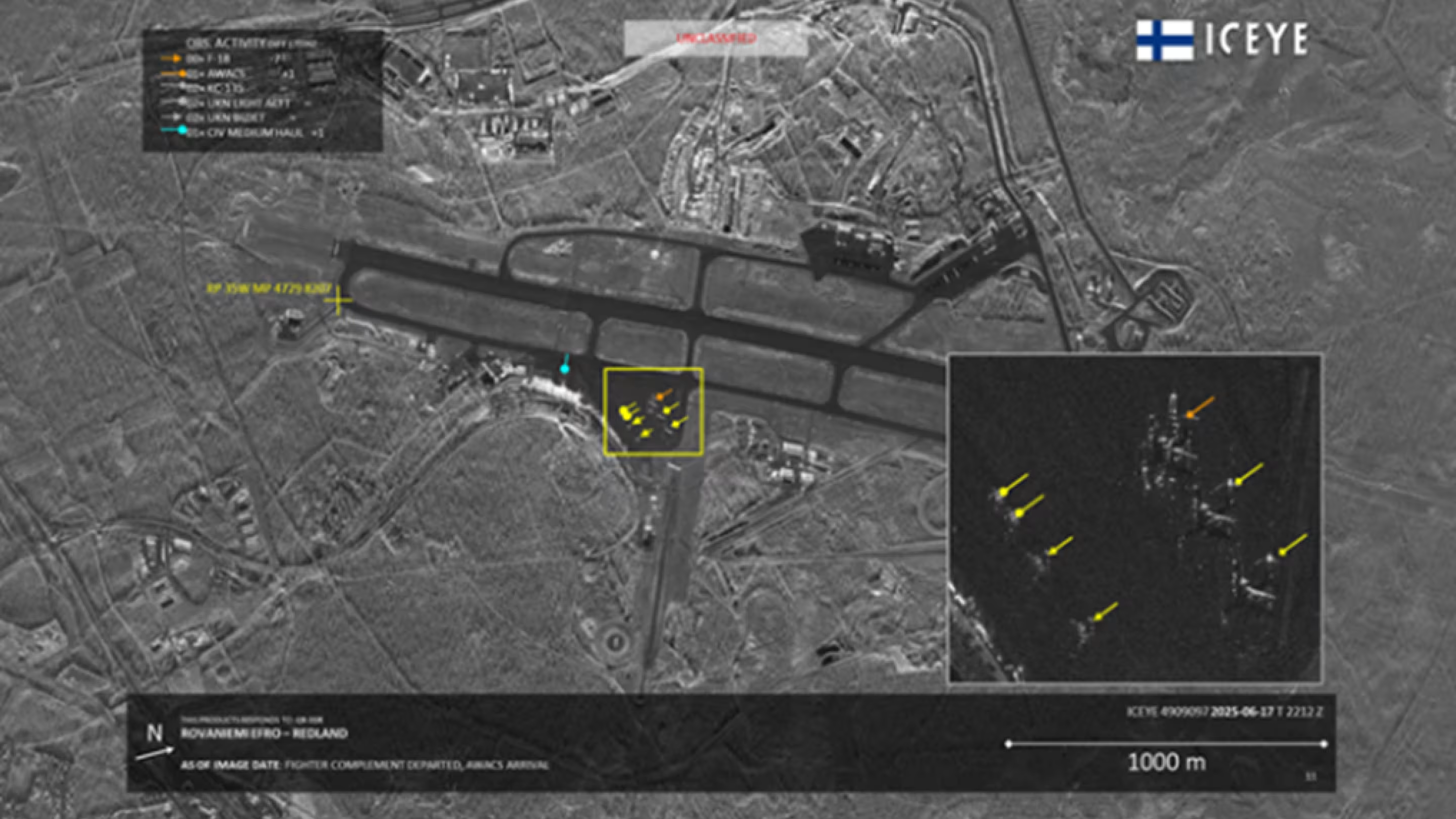
The SAR radar satellite system gives the Defence Forces an initial independent space-based intelligence and surveillance capability. ICEYE’s satellites can image and monitor targets in all weather and lighting conditions. The data they produce can also be shared with other authorities and with the alliance.
Besides Finland, several NATO allies have acquired or ordered ICEYE satellites, including the United States, the Netherlands, Poland, Germany, Sweden and Portugal. In addition to developing its own intelligence and surveillance capability, the Defence Forces will deepen cooperation with allies that operate SAR radar satellites. This further strengthens NATO’s collective defence.
Kiinnostavaa samasta aihepiiristä – other intheresting posts